
Our Expert Tips
Before The Storm: Your Eastern Mass Safeguard Checklist

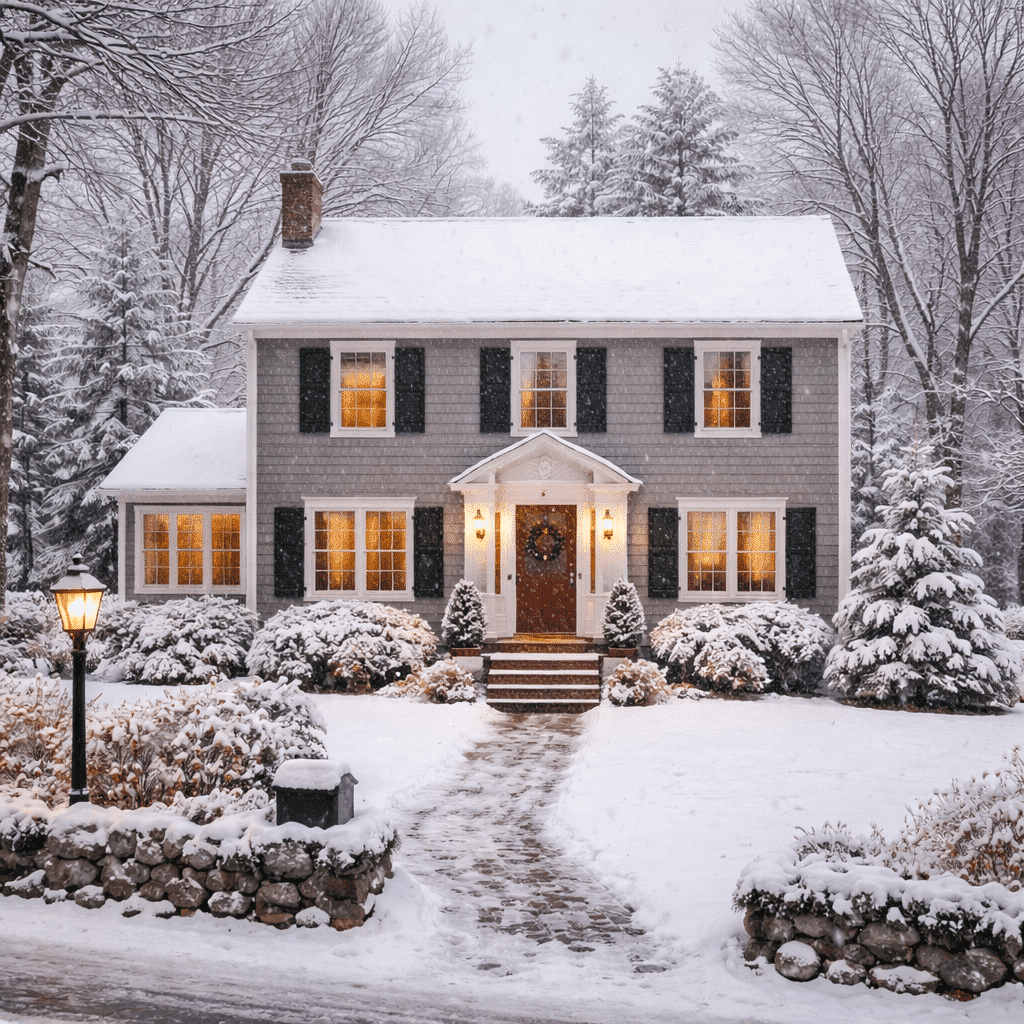
Living in Eastern Massachusetts means experiencing the full range of New England weather. Between nor’easters dumping feet of snow, ice storms coating power lines, and severe thunderstorms rolling through, your home’s electrical system faces serious challenges throughout the year.
When a storm knocks out power, you’re dealing with more than just sitting in the dark. Your sump pump stops working. Your refrigerator starts warming up. If it’s winter, your heating system shuts down. And if you work from home or have medical equipment that requires electricity, a power outage becomes more than an inconvenience.
The licensed electricians at Castle Electric has helped homeowners throughout Newton, Norwood, and Eastern Massachusetts prepare for storm season, and we’ve seen firsthand what separates homes that weather outages well from those that don’t.
Here’s what actually matters when it comes to fortifying your home against power loss.
Backup Power That Actually Works When You Need It
The question isn’t whether you’ll lose power during a storm. It’s when, and for how long.
A backup generator changes everything. Instead of scrambling to move food to coolers or worrying about frozen pipes, your essential systems keep running. But not all backup power solutions work the same way, and what you need depends on your home and priorities.
Whole-home generators kick on automatically within seconds of an outage. They run on natural gas or propane, which means you don’t need to refuel during extended outages. These systems handle everything from your heating and cooling to major appliances, keeping your home running as if nothing happened.
Portable generators cost less upfront but require manual setup during a storm. You need to store fuel, run extension cords, and decide which circuits get power. They work, but they’re not automatic, and they can’t power your whole house at once.
If you want something that bridges the gap, backup battery storage offers silent, automatic power without the noise or fuel requirements of traditional generators. Modern battery systems can power essential circuits for hours or even days, depending on your usage and battery capacity.
Some newer vehicles also work as backup power sources. Vehicle backup power systems let you use your electric or hybrid vehicle’s battery to power your home during outages. If you already have a compatible vehicle, this option is worth exploring.
Your Electrical Panel: The Command Center During Storms
Your electrical panel is the heart of your home’s electrical defense system. During storms, it protects your home from surges and helps prevent dangerous overloads. But many homes in Newton and Norwood still have older panels that weren’t designed for today’s electrical demands.
Older panels struggle when storms cause voltage fluctuations or when power restoration creates surges. If your panel is outdated or undersized, these events can damage sensitive electronics or even create fire risks.
Signs your panel might need reinforcement before storm season:
- Breakers that trip frequently during normal use
- A panel that’s warm to the touch
- Rust or corrosion around connections
- Flickering lights when appliances cycle on
- A panel that’s more than 25 years old
An electrical panel upgrade increases your home’s capacity and improves safety. Modern panels include better surge protection and more reliable circuit breakers that respond faster to problems.
If you’re installing a generator, you’ll likely need a transfer switch installed at your panel anyway. This is a good time to evaluate whether the panel itself should be upgraded.
Surge Protection That Guards the Gate
Lightning doesn’t need to hit your house to cause problems. When it strikes nearby power lines, the surge travels through the electrical grid and into your home. That’s how you end up with fried electronics after a storm even when your house was never hit.
Plug-in surge protectors help, but they’re your last line of defense. Whole-home surge protection installed at your electrical panel stops surges before they reach your outlets. This protects everything from your HVAC system to your appliances, not just what’s plugged into a power strip.
During storm season, this protection becomes especially important. One good lightning strike can cause thousands of dollars in damage across multiple devices and systems.
Outdoor Electrical Components Need Weatherproofing
Your outdoor outlets, lighting, and electrical connections take a beating during storms. Water infiltration is one of the most common causes of electrical problems after severe weather.
GFCI outlets should protect any outdoor electrical connection. These switches and outlets detect ground faults and cut power before someone gets shocked or a fire starts. But they need to be properly weather-sealed to work reliably.
Check your outdoor electrical components for:
- Cracked or damaged outlet covers
- Corroded connections
- Loose mounting that allows water intrusion
- Missing weather-resistant covers
Landscape lighting systems should have waterproof connections and properly rated fixtures. If you notice flickering outdoor lights or outlets that don’t work after rain, water is getting where it shouldn’t.
Safety Checks Before the Storm Hits
The middle of a storm is the worst time to discover your electrical system has vulnerabilities. A pre-storm electrical safety inspection identifies issues while you can still fix them.
We look for warning signs that indicate trouble:
- Outlets or switches that feel warm
- Buzzing or crackling sounds near electrical components
- Burning smells from outlets or the panel
- Lights that dim when appliances run
- Any visible damage to wiring or connections
These problems get worse during storms when your electrical system is under stress. Addressing them before storm season prevents dangerous situations when you need your power most.
Building Your Storm Defense Plan
You don’t need to tackle everything at once. Start with what matters most for your situation.
If you rely on electricity for medical equipment, refrigerated medications, or work-from-home equipment, backup power should be your priority. A generator installation takes planning and permitting, so start this process early.
If you have an older home, an electrical panel evaluation should happen before you invest in backup power. There’s no point installing a generator if your panel can’t safely handle the transfer switch and additional load.
For everyone, basic safety checks and surge protection provide affordable protection that makes a real difference.
Prepare Your Castle for Storm Season
Storm season doesn’t wait, and neither should your preparation. The homeowners who fare best during power outages are the ones who planned ahead.
Castle Electric offers comprehensive residential electrical services throughout Newton, Norwood, and Eastern Massachusetts. Whether you need a backup generator installed, an electrical panel upgraded, or a full storm readiness inspection, we’ll help you put together a plan that fits your home and budget.
Schedule your storm safeguard consultation today. When the next storm rolls through, you’ll be glad you did.

Financing Options Available
Castle Electric offers convenient financing options—call us today for more information!
Our Service Area
Serving All of Eastern Massachusetts
 All Service Areas


Call Us Today
You’re busy. That’s why our process from start to finish is designed to complement your schedule and lifestyle.

Get An Appointment
With scheduling made easy, you’ll be able to pick a time that works for you. Your time is valuable and we get it!

Sit Back and Relax
We show up and deliver on our promise with every customer. That’s our Five-Star Guarantee and it’s extended to every customer.