
Our Expert Tips
Ice-Melt & Snow-Melt Electrical System Repairs in Newton & Norwood, MA

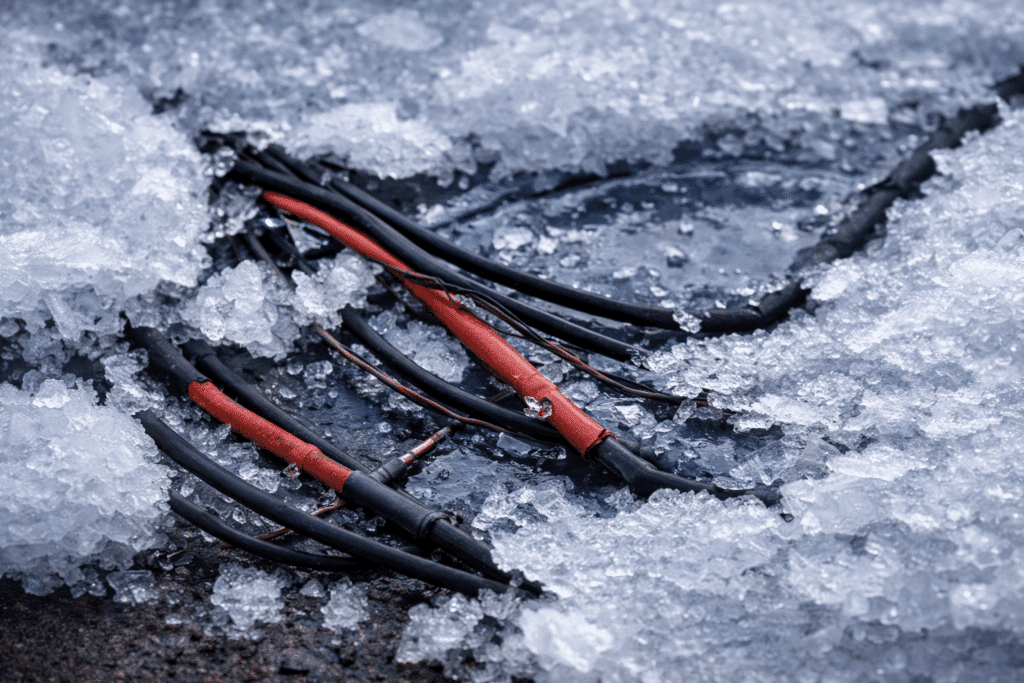
Massachusetts winters don’t ease you in. One week it’s a foot of snow, the next it’s a warm front pushing into the mid-forties, and then everything refreezes overnight. That freeze-thaw cycle is brutal on driveways, roofs, and walkways — and especially rough on the electrical systems designed to keep them clear.
When a snow-melt or ice-melt system stops doing its job, Castle Electric is the Norwood and Newton electrician homeowners call to get it sorted.
How Electric Snow-Melt and Ice-Melt Systems Work
Electric snow-melt systems use heating cables embedded beneath the surface of your driveway, walkway, stairs, or roof edge. Those cables warm the surface from below, melting snow and ice before it has a chance to build up. Most modern systems run automatically, using sensors that detect temperature and moisture and kick the system on without any input from you.
Common locations include:
- Driveways and garage aprons
- Front walkways and entry stairs
- Rooflines and gutters, where de-icing cables prevent ice dams
The benefits are straightforward: fewer slip-and-fall hazards, less surface wear from repeated freeze-thaw stress, and no more pre-dawn shoveling. For roofs and gutters, de-icing cables can prevent the kind of ice dam damage that leads to water intrusion and costly repairs.
Signs Your Snow-Melt System Needs Repair
Some problems are obvious. Others take a storm or two to surface. Here’s what to watch for:
- Ice still forming despite the system running. If you’re seeing buildup on a surface that’s supposed to be heated, the system isn’t performing at full capacity, or at all.
- Uneven melting patterns. Patches of clear pavement next to patches of ice are a classic sign of a damaged cable section or a sensor that’s not reading conditions correctly.
- The system trips the breaker or won’t turn on. A snow-melt system that keeps tripping the breaker has an underlying electrical issue that needs diagnosis, not just a reset.
- Thermostat or sensor failure. If the sensor isn’t detecting moisture or temperature accurately, the cables may never activate when they should.
A spike in your electric bill. A controller that isn’t shutting the system off at the right time will show up on your bill.
Newton and Norwood homeowners often notice failures after a heavy freeze-thaw cycle. What looked fine in November may reveal a problem once the weather starts swinging.
Common Ice-Melt Electrical Problems in Massachusetts Homes
Damaged Heating Cables
The cables are buried under concrete, asphalt, or pavers, which protects them but also makes them harder to diagnose. Damage can happen during surface repairs when contractors aren’t aware of the cable routing, or simply from years of thermal expansion and contraction. Specialized testing equipment can locate a fault without tearing up your whole driveway.
Faulty Snow Sensors or Thermostats
Sensors embedded in pavement are exposed to everything Massachusetts winters deliver. Over time, they can shift, corrode, or get covered by debris, causing them to misread conditions. A sensor that thinks it’s 50°F when it’s actually 28°F means your driveway sits unheated during a storm.
Electrical Connection Issues
Moisture infiltration into junction boxes, corroded terminals, and loose wiring connections are among the most common issues we find. These require proper testing, waterproof reseal work, and in some cases updated components to bring everything up to current code.
Aging Systems
Electric heating cables can last 20 to 30 years when properly installed, but the controls, including thermostats, sensors, and panels, often need attention or replacement much sooner. If your system is more than 10 to 15 years old and acting up, the issue may not be the cables at all.
Why Professional Repair Matters
Snow-melt systems operate at significant amperage. A 1,000-square-foot heated driveway can draw well over 150 amps, which means these systems need dedicated circuits and correctly sized circuit breakers. Diagnosing a fault in a buried heating element also requires specialized tools, including equipment that can pinpoint a cable break by the inch without excavating the whole slab.
A misstep on a DIY repair can turn a fixable issue into a full replacement. A licensed electrician can test insulation resistance, assess the control system, and tell you exactly what’s wrong before any work begins.
Repair vs. Replacement: What You Should Know
Not every problem means replacing the whole system. In many cases, swapping out a sensor, addressing a localized cable fault, or fixing a control unit restores full function at a fraction of the replacement cost.
That said, sometimes replacement makes more sense. If your system is old, the controls are obsolete, and multiple cable sections are failing, putting more money into repairs may not serve you well. Newer systems also come with smarter controls and automation options that reduce energy consumption. If a repair involves upgrading your electrical panel to handle the load properly, we handle that too.
Preventative Maintenance Tips
A little attention before the first storm can save you a service call in December.
- Test the system in October, before you actually need it. Run it for 30 to 45 minutes and check for uneven heating or unexpected shutoffs.
- Inspect your sensors. Make sure they’re flush with the surface and not blocked by leaves or debris from summer landscaping.
- Clear gutters and roof cable paths before temperatures drop. De-icing cables can’t do their job if gutters are already packed and blocking drainage.
- Schedule an annual electrical inspection if your system is more than 7 to 10 years old. Catching a failing sensor or deteriorating connection before winter is far easier than diagnosing it mid-storm.
Why Newton & Norwood Homeowners Trust Castle Electric
We know Massachusetts winters, and we know the homes in Newton and Norwood — older colonials, newer construction, properties with steep driveways and complex rooflines that create real ice dam problems. Our electricians are licensed, insured, and experienced with the full range of residential electrical services these systems touch, from dedicated circuit work and panel assessments to electrical repairs and full system diagnostics. We also offer emergency service for situations that can’t wait.
What Does Snow-Melt System Repair Cost in Massachusetts?
Costs vary depending on what’s actually wrong. A sensor replacement or control unit fix will run far less than a cable repair that requires surface work. Key factors include:
- How accessible the fault is
- Whether the control panel or sensors need replacement
- Whether the electrical supply needs upgrading to support the system correctly
- The overall size and complexity of the heated area
The only way to get an accurate number is to have a licensed electrician assess the system. A flat rate quoted over the phone usually misses something.
Get Your Snow-Melt System Repaired Before the Next Storm
If your system isn’t performing the way it should, or you want it inspected before the season gets going, reach out to Castle Electric to book an appointment. Our electricians in Norwood, Newton or beyond will figure out exactly what’s wrong, walk you through the options, and get your system doing what it’s supposed to do.

Financing Options Available
Castle Electric offers convenient financing options—call us today for more information!
Our Service Area
Serving All of Eastern Massachusetts
 All Service Areas


Call Us Today
You’re busy. That’s why our process from start to finish is designed to complement your schedule and lifestyle.

Get An Appointment
With scheduling made easy, you’ll be able to pick a time that works for you. Your time is valuable and we get it!

Sit Back and Relax
We show up and deliver on our promise with every customer. That’s our Five-Star Guarantee and it’s extended to every customer.