
Our Expert Tips
Is a Backup Generator Worth It? What Newton Homeowners Need to Know

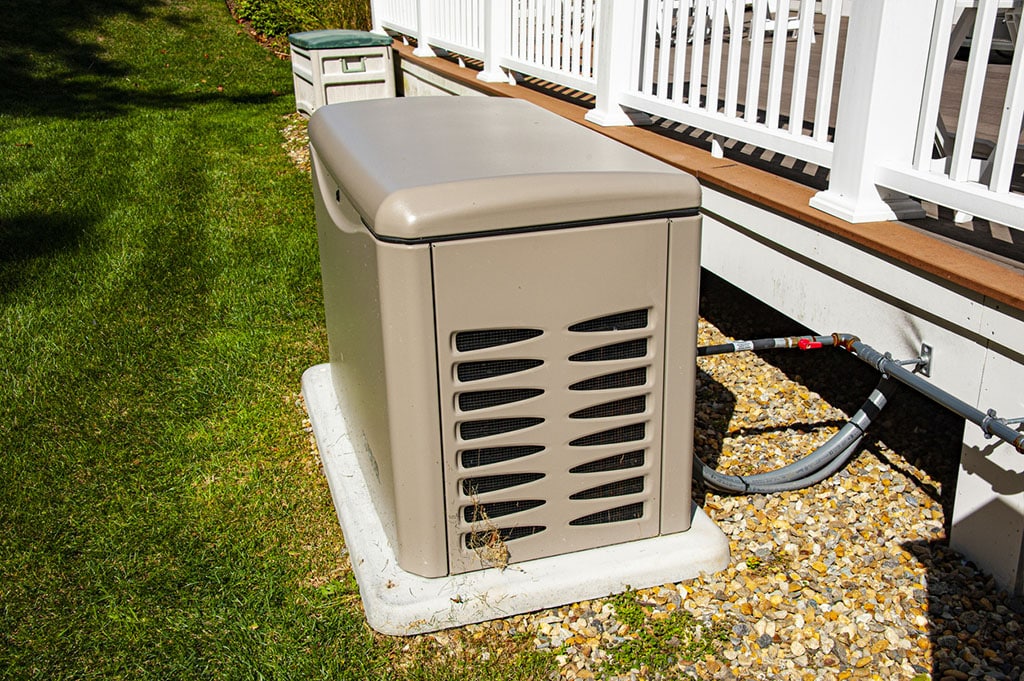
You’ve sat through another winter storm warning. The power went out for six hours last time, and you spent the evening moving food to coolers while the house got colder. Your neighbor’s generator kicked on automatically, and their lights stayed on the whole time.
Now you’re wondering if a backup whole-home generator in Newton or beyond makes sense for your home.
Castle Electric has helped hundreds of homeowners in Newton, Norwood, and Eastern Massachusetts work through this decision. Some decide generators are essential. Others realize they’re fine without one. Here’s how to figure out which camp you’re in.
What You’re Actually Protecting Against
Frozen pipes. When your heat shuts off in January and your house drops below freezing, pipes burst. Water damage can run into the thousands for repairs. If pipes in your walls freeze, you’re looking at drywall removal, pipe replacement, and serious restoration work.
Flooded basements. Your sump pump only works with electricity. During winter thaws or storms that bring both snow and rain, water accumulates fast. Professional cleanup isn’t cheap, and that doesn’t include replacing damaged items or dealing with mold.
Food loss. A fully stocked refrigerator and freezer represents real money. After 24-48 hours without power, most of it gets thrown away.
Medical equipment. If anyone in your home uses oxygen concentrators, CPAP machines, or other electrically powered medical devices, backup power isn’t optional. Battery backups work for hours, not days.
Work-from-home income. Extended outages mean no internet, no computer charging, and potentially no income. For many households, losing several days of work is a bigger deal than the inconvenience of no lights.
One serious incident often makes the investment worthwhile. The question is whether you’re willing to take that risk.
How Often Do You Actually Need It?
Massachusetts averages 2-4 significant power outages per year in most areas. Some years you might only lose power once. Other years you’ll have five or six outages.
The 2008 ice storm left some areas without power for over a week. More recent nor’easters have caused multi-day outages across the region. Summer thunderstorms restore faster, but winter storms take longer when utility crews are dealing with ice-covered lines and widespread damage.
Your location matters. Dense areas with underground utilities experience fewer and shorter outages. Suburban or rural locations with overhead lines and lots of trees see more frequent, longer outages.
But frequency isn’t the whole story. One three-day outage in January can cause more damage than ten brief summer outages combined.
Understanding Your Backup Power Options
Standby Generators: Complete Protection
Standby generators connect to your natural gas or propane supply and your home’s electrical system. They detect outages automatically and switch on within seconds. You don’t touch anything.
You can size these for whole-home power or essential circuits only. Essential circuits include your heating system, refrigerator, some lights and outlets, and your sump pump. Whole-home coverage runs everything.
This is what most homeowners choose once they decide backup power is worth having. It works automatically, runs indefinitely on natural gas, and handles extended winter outages.
Battery Backup: Quieter but Limited
Backup battery storage systems work silently and automatically, but they’re powered by batteries instead of fuel.
Modern battery systems can run essential circuits for hours or potentially days depending on capacity and usage. They’re great for your refrigerator, heating system controls, lights, internet equipment, and outlets for devices.
The limitation is capacity. Batteries typically can’t run heavy loads like electric heat or central air conditioning for extended periods. If you have gas or oil heat and modest electrical needs, batteries might work. If you have electric heat or want whole-home coverage, standby generators make more sense.
Portable Generators: The Manual Option
Portable generators power essential equipment through extension cords or a manual transfer switch.
The trade-offs: you need to manually set up and start the generator when power goes out. You need to store gasoline and refuel every 8-12 hours. You’re choosing which circuits get power and living without the rest.
Some homeowners are fine with this. Others find dealing with a portable generator in the middle of a winter storm gets old fast.
Vehicle Backup Power: If You Already Have the Car
Some newer electric and hybrid vehicles can power your home through vehicle backup power systems. If you already own a compatible vehicle, adding the transfer equipment offers backup power without installing a separate generator.
This works well for essential circuits but typically won’t run your entire home.
Key Questions That Help You Decide
Walk through these honestly:
During the last multi-day outage, what happened? Did you manage fine, or were you dealing with real problems? Did you spend money on hotels, restaurant meals, or replacing spoiled food? Did you worry about pipes freezing or your basement flooding?
What would happen if you lost power for three days in January? When it’s 15 degrees outside and your house is getting colder. How confident are you that your pipes would survive?
Does anyone in your household have medical needs? If someone requires electrically powered medical equipment, backup power is essential.
Do you work from home? If losing power means losing income, the math changes significantly.
How do you feel during storm warnings? If you’re anxious every time a nor’easter approaches, that stress matters.
When Backup Power Makes Sense
You’re probably a good candidate for a backup generator if:
- You’ve had frozen pipes or basement flooding during past outages
- Someone in your home has medical equipment that requires power
- You work from home and can’t afford extended downtime
- You have a sump pump that runs frequently
- You’ve spent money on hotels or workarounds during past outages
- You’re in an area that experiences frequent or extended outages
You might be fine without one if:
- You’ve weathered past outages without significant problems
- You have somewhere else you can stay during extended outages
- Your home has features that reduce risk (new plumbing in heated spaces, battery backup sump pump, no basement)
- You’re in an area with reliable power and quick restoration
Making the Decision
Talk to your neighbors who have generators. Ask them how often they’ve used theirs and whether they consider it worth it. Most generator owners say they wish they’d installed one sooner.
Get actual information for your specific situation. Understanding your options helps you make an informed decision.
Think about timing. Generator installations require planning, permitting, and scheduling. If you wait until the first major storm is forecast, you’re waiting until next season. Starting the process in late summer or early fall means you’re ready before winter.
Getting Answers for Your Home
Castle Electric provides comprehensive residential electrical services throughout Newton, Norwood, and Eastern Massachusetts. We’ll evaluate your home, discuss your needs and concerns, and give you honest recommendations about what makes sense.
Some homeowners decide they don’t need a generator right now. Others move forward with installation. Either way, you’ll have the information you need.
Schedule a consultation with Castle Electric. We’ll talk through your situation, answer your questions, and help you figure out if backup power makes sense for your home.

Financing Options Available
Castle Electric offers convenient financing options—call us today for more information!
Our Service Area
Serving All of Eastern Massachusetts
 All Service Areas


Call Us Today
You’re busy. That’s why our process from start to finish is designed to complement your schedule and lifestyle.

Get An Appointment
With scheduling made easy, you’ll be able to pick a time that works for you. Your time is valuable and we get it!

Sit Back and Relax
We show up and deliver on our promise with every customer. That’s our Five-Star Guarantee and it’s extended to every customer.